
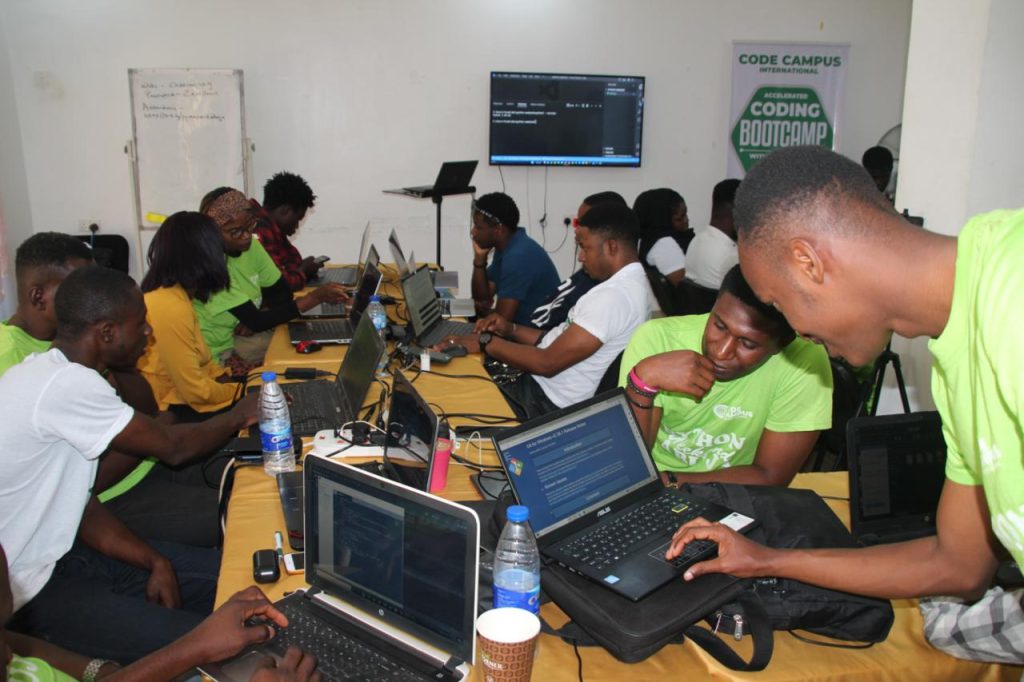
Not long ago, programming was considered a skill reserved for software developers and computer scientists. If you were not planning to work in the technology industry, learning how to write code seemed unnecessary.
That is no longer the case.
Today, programming has become one of the most valuable skills a person can learn, regardless of their profession, industry, or career stage.
Whether you are a student, entrepreneur, accountant, teacher, engineer, healthcare professional, marketer, or business owner, understanding programming can open doors to opportunities that were previously out of reach.
The world is becoming increasingly digital, and those who understand how technology works are often better positioned to adapt, innovate, and succeed.
So why should you learn programming?
The answer goes far beyond getting a technology job.
Programming Helps You Understand the Digital World
Every day, we interact with technology.
We use mobile apps to communicate.
We use websites to shop.
We use online platforms to learn.
We use digital tools to work.
Yet most people have little understanding of how these systems actually function.
Learning programming gives you insight into the technology that powers modern life.
You begin to understand how applications are built, how websites work, how information is processed, and how digital systems communicate with one another.
This understanding helps you move from being just a consumer of technology to becoming a creator of technology.
Programming Develops Problem Solving Skills
One of the greatest benefits of learning programming has nothing to do with computers.
Programming teaches you how to think.
When writing code, you learn how to:
- Break large problems into smaller parts
- Analyze situations logically
- Identify patterns
- Develop step by step solutions
- Test ideas
- Improve results through iteration
These skills are valuable in virtually every profession.
Programming trains your mind to approach challenges in a structured and logical way.
Over time, you become better at solving problems both inside and outside technology.
Programming Creates Career Opportunities
Technology continues to reshape industries around the world.
As businesses become more digital, the demand for technical skills continues to increase.
Learning programming can lead to careers such as:
- Software Engineer
- Web Developer
- Mobile App Developer
- AI Engineer
- Cloud Engineer
- Cybersecurity Professional
- Data Analyst
- Data Scientist
- DevOps Engineer
- Automation Specialist
Many of these careers offer strong earning potential and opportunities for long term growth.
Even if you do not become a full time developer, programming skills can make you more valuable in your current profession.
Programming Gives You Access to Global Opportunities
One of the most remarkable aspects of programming is that it is a global skill.
A programmer in Abuja can work with a company in London.
A developer in Lagos can contribute to projects in New York.
A software engineer in Nairobi can build solutions for clients in Australia.
Unlike many professions that require physical presence, programming allows people to participate in a global economy from virtually anywhere.
This has created unprecedented opportunities for talented individuals around the world.
Programming Helps You Build Your Own Ideas
Many people have ideas for websites, applications, digital products, or businesses.
The challenge is that they often depend entirely on others to bring those ideas to life.
When you learn programming, you gain the ability to build solutions yourself.
You can:
- Create websites
- Build mobile apps
- Develop business tools
- Automate tasks
- Launch digital products
- Test business ideas
Even basic programming knowledge can dramatically increase your ability to turn ideas into reality.
For entrepreneurs, this can be especially valuable.
Programming Improves Your Earning Potential
Technology remains one of the most financially rewarding industries in the world.
Skilled programmers are in demand across multiple sectors.
As organizations continue investing in digital transformation, software development, Artificial Intelligence, automation, and cloud technologies, the need for programming talent continues to grow.
Learning programming can lead to opportunities that offer:
- Competitive salaries
- Freelance income
- Remote work opportunities
- Consulting engagements
- Entrepreneurship possibilities
The financial benefits often extend well beyond traditional employment.
Programming Makes You More Adaptable
The future of work is changing rapidly.
Many jobs are evolving because of automation and emerging technologies.
People who understand technology are generally better prepared to adapt to these changes.
Programming helps you develop a mindset of continuous learning and problem solving.
These qualities are increasingly important in a world where industries and careers continue to evolve.
Rather than being disrupted by technology, you can become someone who helps create it.
Programming Enhances Creativity
Many people assume programming is purely technical.
In reality, programming is highly creative.
Every application, website, and digital product begins as an idea.
Programmers combine logic with creativity to design solutions that solve real problems.
Whether building a game, an educational platform, a mobile app, or a business system, programming provides a creative outlet for innovation.
The ability to imagine something and then build it is one of the most rewarding aspects of learning to code.
Programming Works Well With Other Skills
Programming does not exist in isolation.
It complements many other professions and disciplines.
For example:
Business Professionals
Can automate processes and analyze data more effectively.
Marketers
Can better understand digital platforms and marketing technology.
Designers
Can create interactive digital experiences.
Healthcare Professionals
Can contribute to healthcare technology solutions.
Engineers
Can develop software systems that support engineering operations.
Researchers
Can analyze data and build analytical tools.
Programming strengthens other skills rather than replacing them.
Programming Is More Accessible Than Ever
There has never been a better time to learn programming.
Today, learners have access to:
- Online courses
- Coding bootcamps
- Video tutorials
- Developer communities
- Open source projects
- Interactive learning platforms
The barriers to entry are lower than they have ever been.
With a computer, internet connection, and commitment to learning, almost anyone can begin.
You Do Not Need to Be a Mathematics Genius
One reason many people avoid programming is the belief that it requires extraordinary mathematical ability.
This is one of the biggest myths about coding.
While certain specialized areas involve advanced mathematics, most programming work focuses on logic, problem solving, and understanding how systems work.
Many successful software engineers were not mathematics prodigies.
What they had was persistence, curiosity, and a willingness to learn.
Programming is a skill.
Like any skill, it improves with practice.
Programming Helps You Understand Artificial Intelligence
Artificial Intelligence is transforming industries across the world.
Many people are excited about AI but have little understanding of how it works.
Programming provides the foundation needed to understand and work with AI technologies.
As AI becomes more integrated into business and everyday life, programming knowledge becomes increasingly valuable.
Those who understand both programming and AI will likely enjoy significant advantages in the future workforce.
Programming Teaches Persistence
Learning to code can be challenging.
Programs do not always work the first time.
Errors occur.
Bugs appear.
Solutions take time.
While this may sound frustrating, it teaches an important life skill: persistence.
Programming encourages you to experiment, learn from mistakes, and continue improving.
These habits contribute to personal and professional growth far beyond technology.
The Future Will Be Built by People Who Understand Technology
The world is becoming more connected, more automated, and more digital.
Technology influences:
- Business
- Education
- Healthcare
- Agriculture
- Finance
- Government
- Entertainment
As this transformation continues, individuals who understand technology will be better positioned to participate in shaping the future.
Programming is one of the most direct ways to develop that understanding.
Is Programming Right for Everyone?
Not everyone will become a professional software engineer.
And that is perfectly fine.
The value of programming extends beyond technology careers.
Learning to code can help you:
- Think more clearly
- Solve problems more effectively
- Understand technology
- Increase your opportunities
- Build useful tools
- Adapt to change
Even a basic understanding of programming can provide benefits that last a lifetime.
Final Thoughts
Learning programming is no longer just about becoming a developer.
It is about developing a skill that helps you understand the world, solve problems, create opportunities, and participate in the future of technology.
Whether your goal is to launch a technology career, build your own business, improve your current profession, or simply understand how the digital world works, programming is one of the most valuable investments you can make in yourself.
You do not need to know everything before you start.
You do not need a computer science degree.
You do not need years of experience.
You simply need the willingness to learn.
Every software engineer, entrepreneur, and technology leader started with a single line of code.
Your journey can begin the same way.
The best time to learn programming was years ago.
The second best time is today.
Frequently Asked Questions
Is programming only useful for Software Engineers?
No. Programming skills are valuable in AI, Data Analytics, Cybersecurity, Cloud Computing, Automation, and many other fields.
What is the easiest programming language for beginners?
Python is widely regarded as one of the easiest programming languages for beginners to learn.
Can I learn programming without a technical background?
Yes. Many successful developers started with no prior experience in technology.
How much time should I spend learning programming each week?
Consistent practice of a few hours per week is often more effective than occasional intensive study sessions.
What is the best way to learn programming?
The best approach combines structured learning, hands-on projects, and regular practice.
Does learning programming improve problem-solving skills?
Yes. Programming teaches logical thinking, problem-solving, and analytical reasoning.
